

The Robert J. Bernard Biological Field Station is an 86-acre ecological research site in Claremont, California, within The Claremont Colleges campus. Its range of Southern California habitats makes it a place for college teaching and research, but you should confirm visitor access before setting out.
- Location: Foothill Boulevard, between College Avenue and Mills Avenue in Claremont.
- Size: 86 acres.
- What it is: A field laboratory used for ecological observation and research.
- Access: Confirm current visitor arrangements before making plans.
What is the Robert J. Bernard Biological Field Station?
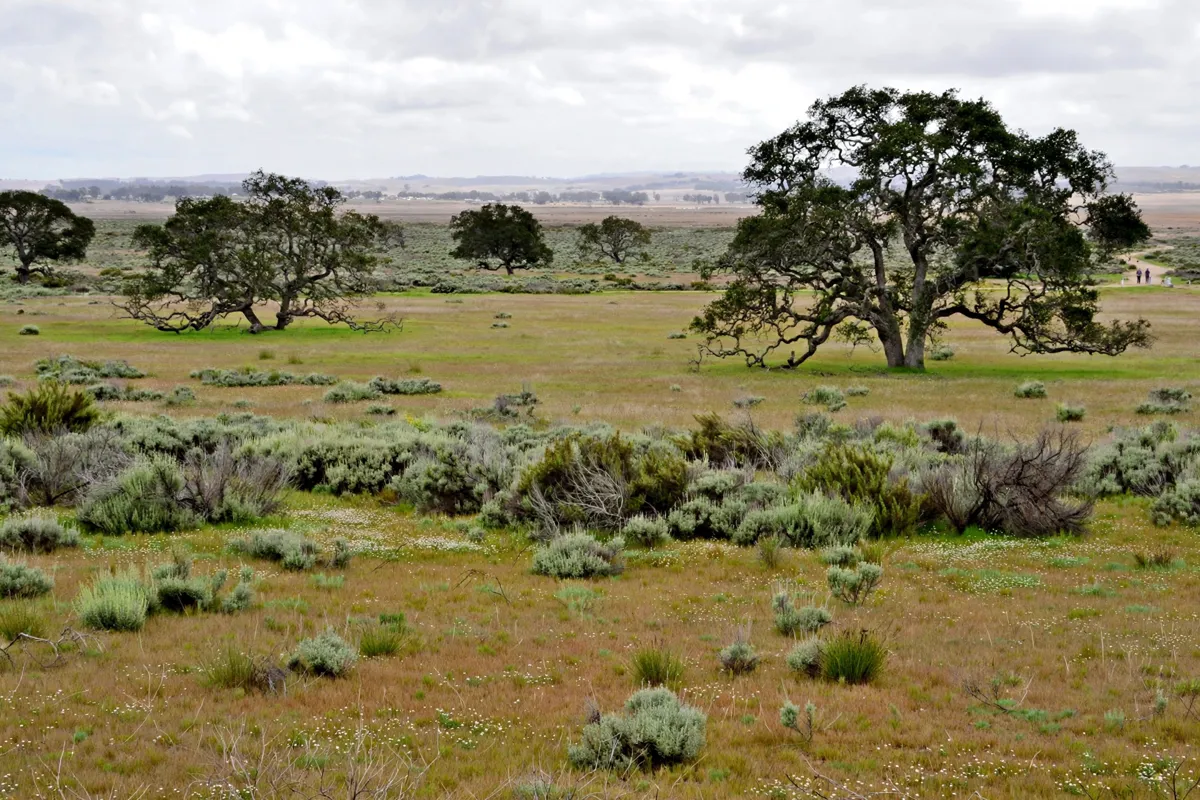
The station is an outdoor laboratory where students and faculty from The Claremont Colleges conduct ecological observation, experiments, classes, and research. Its habitats include coastal sage scrub, Riversidian alluvial fan scrub, live oak forest, and grassland, alongside an artificial lake, riparian woodland, and created vernal pools.
Biology is a central focus, with students and faculty from Harvey Mudd College, Pomona College, and the Joint Science Department of Scripps, Pitzer, and Claremont McKenna Colleges among its primary users.
The site also supports work in environmental science, astronomy, geology, and art. Other users include area colleges and universities, K–12 classes, and local groups such as the Boy Scouts and Girl Scouts.
The station takes its name from Robert J. Bernard, a Pomona College alumnus from the Class of 1917 and a former president of The Claremont Colleges Services.
The Raymond M. Alf Museum of Paleontology offers another educational stop in the area.
Where is the field station near Pomona?
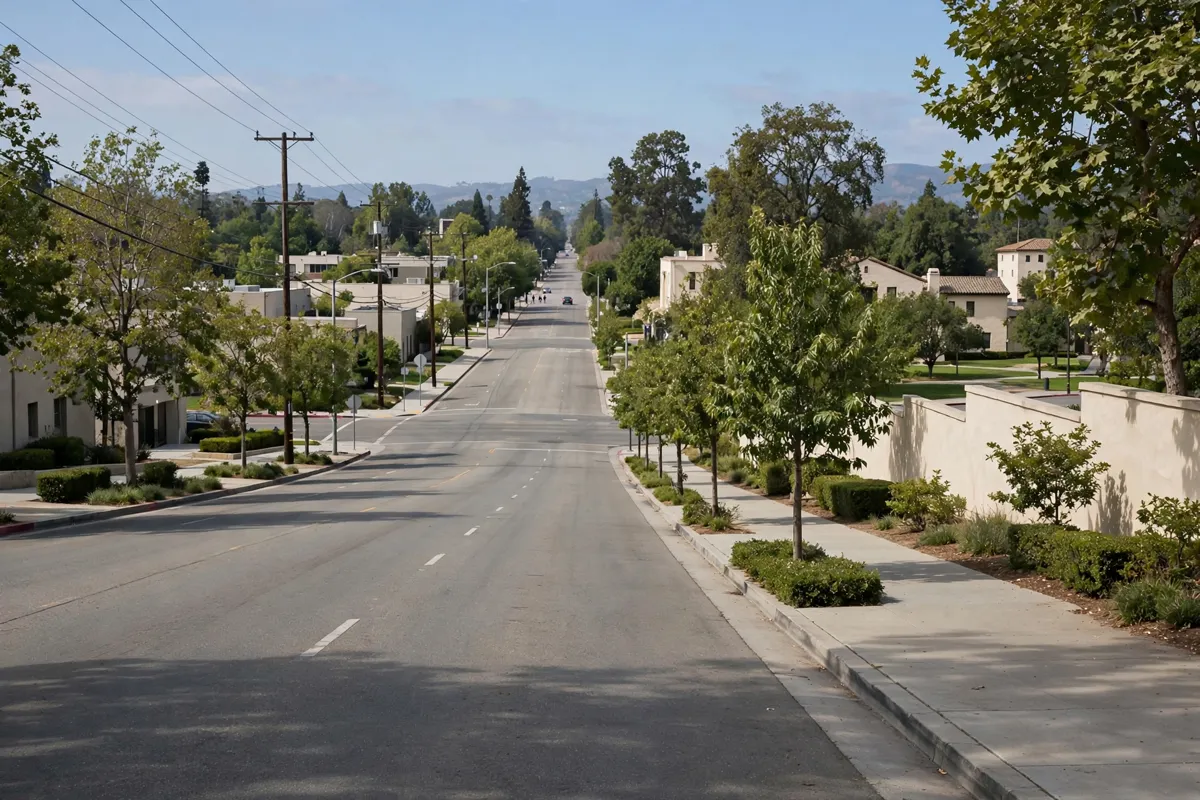
The field station is in Claremont, within The Claremont Colleges campus, on Foothill Boulevard between College Avenue and Mills Avenue. This location places it in the Pomona–Claremont area, but the address alone does not establish which entrance is currently available to visitors.
If your plans include other campus sites, the University of La Verne visit guide covers maps, tours, and arrival tips for that separate destination.
Can the public visit the field station?
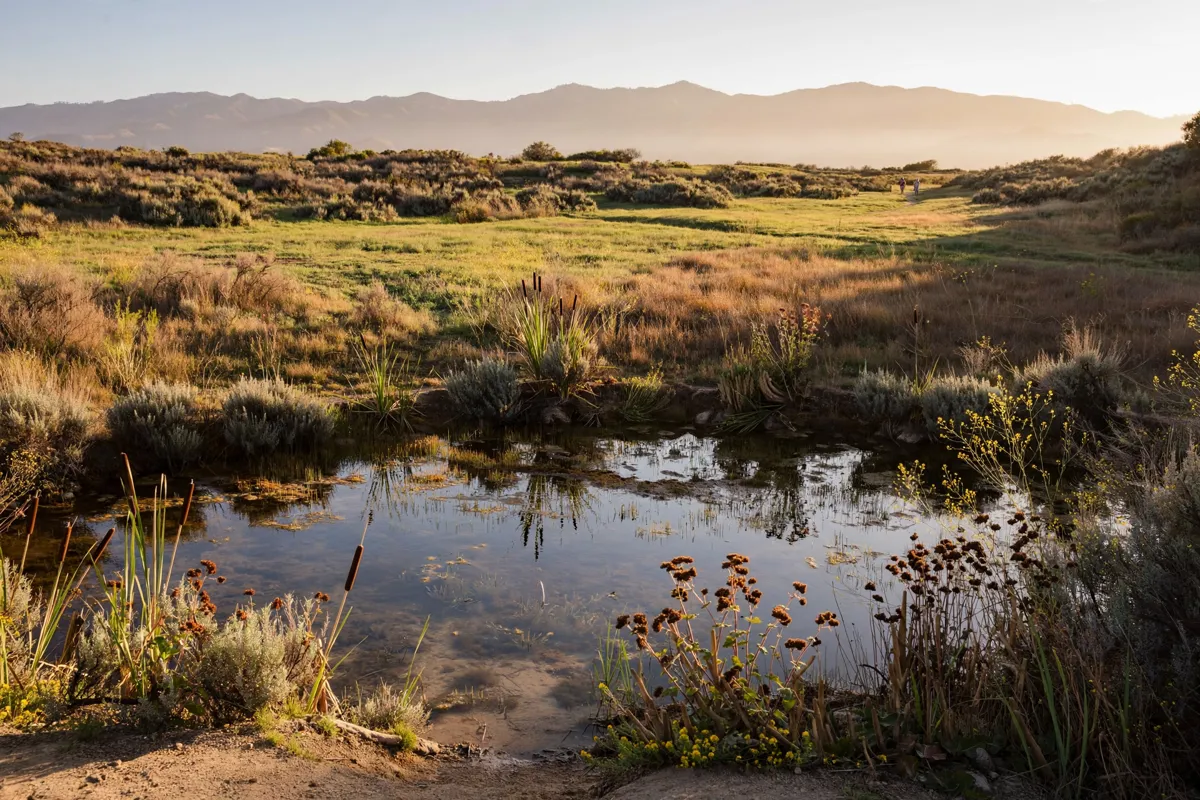
Current public access, tours, and visitor restrictions should be confirmed before you go; the station’s research and teaching role does not by itself establish that general entry is permitted. The Friends of the Bernard Biological Field Station describes pedestrian and vehicle entrances, but those arrangements may not reflect current access.
If you’re staying at a motel in Pomona, confirm the field station’s visitor entrance and route separately rather than assuming that a campus boundary or mapped entrance is open to the public.
What should you confirm before making plans?
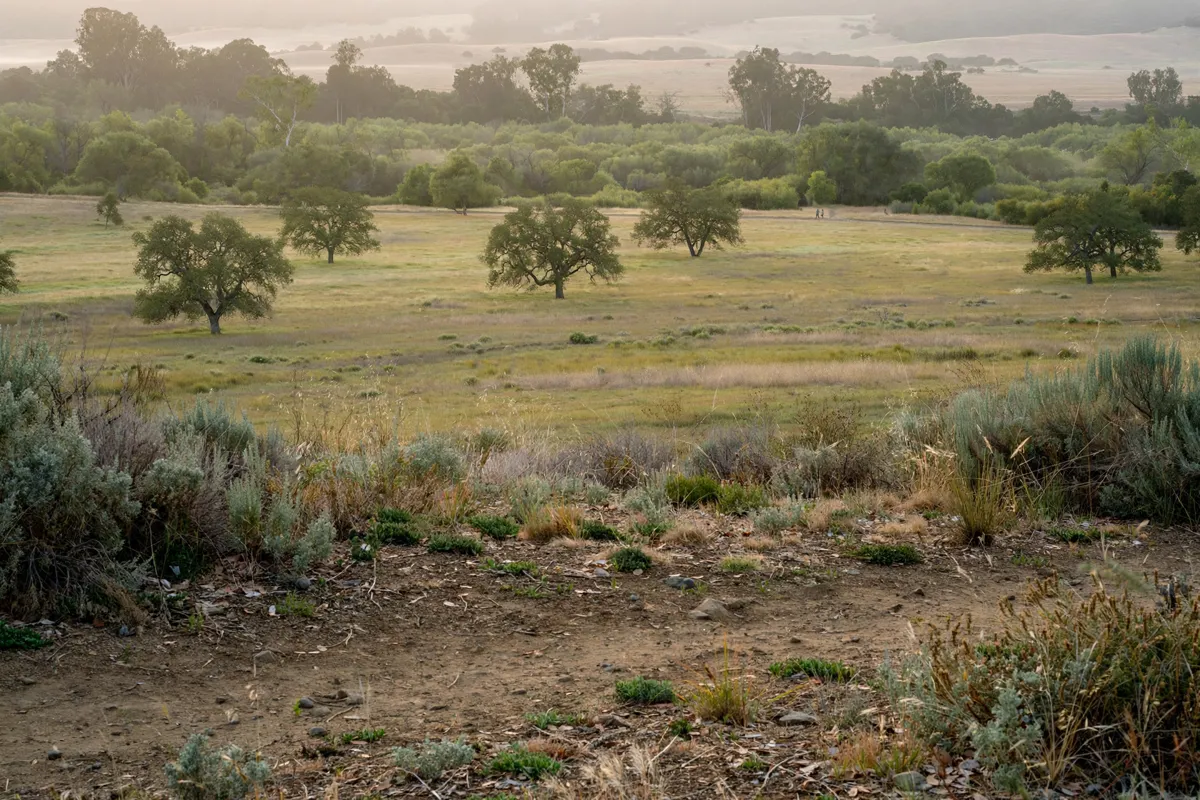
Check the official site before you go, and confirm whether public visits or tours are available, which entrance visitors should use, and any restrictions on access. If you are hoping to see particular habitats, ask whether those areas are accessible during your visit; the station’s research use may affect where visitors can go.
FAQs
What is the field station used for?
It serves as a laboratory for ecological observation and experiments, as well as classes and research across several disciplines at The Claremont Colleges.
What habitats are at the station?
Its habitats include coastal sage scrub, Riversidian alluvial fan scrub, live oak forest, and grassland, as well as an artificial lake, riparian woodland, and created vernal pools.
Is the field station open to the public?
Confirm current visitor access and tour availability before planning a visit. The station’s research and teaching role does not establish that general entry is permitted.